
Chernobyl Underrepresented Black and LGBTQ2IA+ People

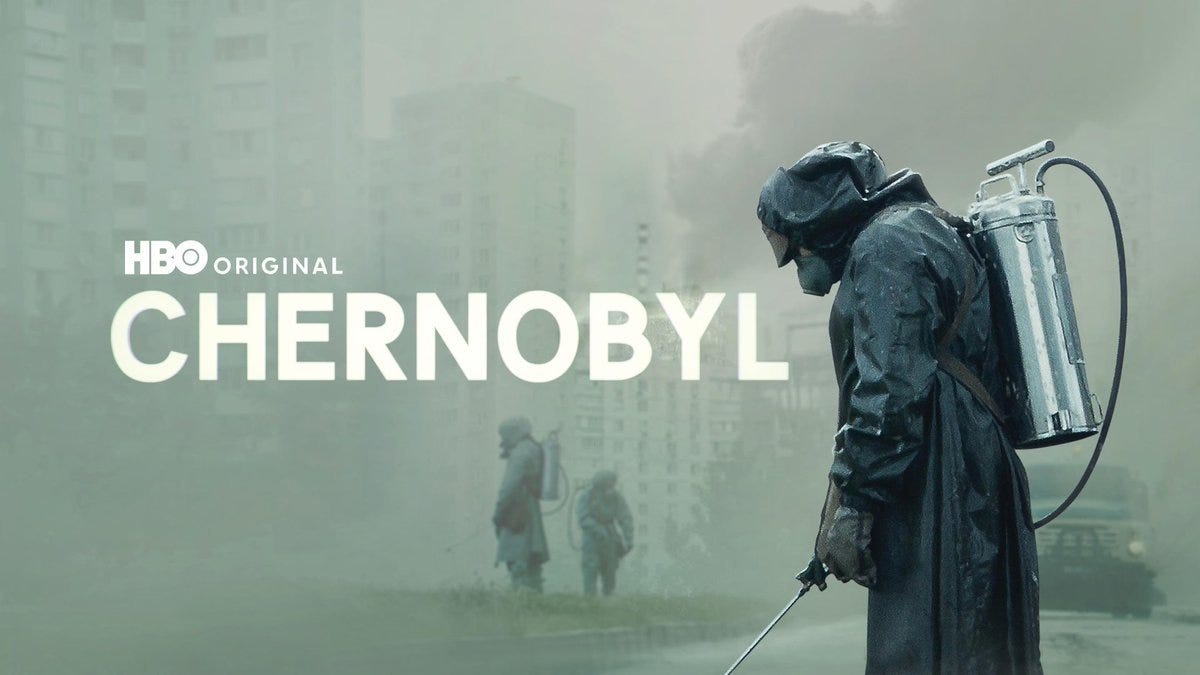
The 2019 HBO miniseries Chernobyl is a critically acclaimed dramatization of the 1986 nuclear disaster in Soviet Ukraine, praised for its historical accuracy and gripping storytelling. However, the series notably lacks representation of Black and LGBTQ2IA+ individuals, reflecting a broader issue in media where marginalized groups are often sidelined. This absence is particularly stark given the universal human stakes of the disaster, which could have provided a platform to explore diverse perspectives. By examining the struggles of Black and LGBTQ2IA+ communities, the impact of colonialism in Africa, and pivotal events like the 1969 Stonewall riots, we can contextualize this omission and question whether progress for these groups has truly been achieved.
Struggles for Equality: Black and LGBTQ2IA+ Communities
Black people have long faced systemic racism rooted in historical injustices like slavery, segregation, and ongoing discrimination in education, employment, and criminal justice. In the United States, for instance, Black Americans are incarcerated at nearly five times the rate of white Americans, according to 2020 data from the NAACP. Economic disparities persist, with the median wealth of white families in 2019 being $188,200, compared to $24,100 for Black families, per the Federal Reserve. These inequities stem from policies like redlining and unequal access to opportunities, which continue to hinder progress.
LGBTQ2IA+ individuals face their own battles, including legal discrimination, social stigma, and violence. While same-sex marriage was legalized in the U.S. in 2015, many states still lack comprehensive protections against discrimination in housing, employment, and public accommodations. Transgender individuals, in particular, face heightened risks: a 2021 report by the Human Rights Campaign noted that at least 47 transgender or gender-nonconforming people were killed in the U.S., with Black trans women disproportionately affected. The "two-spirit" and other non-binary identities, often rooted in Indigenous cultures, are frequently erased in mainstream narratives, compounding marginalization. Globally, over 60 countries criminalize same-sex relationships, and conversion therapy remains legal in many regions.
The Negative Impact of Colonialism in Africa
The struggles of Black communities cannot be fully understood without addressing the legacy of colonialism in Africa. From the 15th to 20th centuries, European powers carved up the continent, exploiting its resources and people. The transatlantic slave trade forcibly removed millions, while colonial borders ignored ethnic and cultural realities, sowing conflict that persists today. Colonial administrations imposed rigid gender and sexual norms, criminalizing same-sex relationships and erasing Indigenous practices that often embraced diverse identities. For example, British colonial laws, like Section 377 of the Indian Penal Code, were exported to African colonies, outlawing homosexuality and clashing with pre-colonial acceptance of same-sex unions in some cultures.
Economically, colonialism extracted wealth while stifling development. By 1960, when many African nations gained independence, they inherited economies designed to serve colonial powers, not local populations. The World Bank notes that sub-Saharan Africa’s GDP per capita in 1960 was roughly $150 (in constant dollars), compared to $1,000 for Western Europe. This gap, exacerbated by debt and structural adjustment programs, persists: in 2023, Africa’s external debt was estimated at $1.1 trillion. Culturally, colonial education systems and missionary efforts suppressed African languages and traditions, leaving a legacy of internalized inferiority that continues to challenge post-colonial identity.
The 1969 Stonewall Riots
The fight for LGBTQ2IA+ rights gained momentum with the Stonewall riots, a pivotal uprising in June 1969 at the Stonewall Inn, a gay bar in New York City. Police raids on gay bars were routine, but on June 28, patrons—led by figures like Marsha P. Johnson, a Black trans woman, and Sylvia Rivera, a Latina trans woman—fought back. The riots, sparked by years of harassment and discrimination, lasted several days and galvanized the modern gay rights movement. Within a year, the first Pride marches were held in New York, Chicago, and Los Angeles, and organizations like the Gay Liberation Front emerged.
Stonewall was a turning point, but it also highlighted tensions within the movement. Black and trans activists, who were instrumental in the uprising, were often marginalized by white, cisgender gay leaders. This erasure mirrors the lack of Black and LGBTQ2IA+ representation in media like Chernobyl, where diverse voices could have enriched the narrative but were absent.
Trump’s Policies and Trans Exclusion in Sports
In recent years, policies targeting transgender individuals have intensified, particularly in sports. During his presidency and subsequent campaigns, Donald Trump championed measures to exclude transgender girls and women from women’s sports, framing it as protecting “fairness” for non-trans women. In 2020, the Trump administration supported state laws banning trans girls from competing in school sports consistent with their gender identity, citing supposed biological advantages. These policies, rooted in misinformation about trans athletes, ignore rigorous studies—like a 2020 analysis in Sports Medicine—showing no consistent competitive edge after hormone therapy.
Such measures not only harm trans individuals but also reinforce exclusionary norms, echoing the marginalization of Black and LGBTQ2IA+ communities. By focusing solely on non-trans women as “legitimate” athletes, these policies erase trans identities and undermine broader equality efforts, much like the absence of diverse representation in Chernobyl.
Ulana Khomyuk: A Missed Opportunity
In Chernobyl, Ulana Khomyuk, a scientist who investigates the disaster, is a composite character representing Soviet scientists. Portrayed as a non-trans white woman, Khomyuk embodies resilience and intellect but misses an opportunity to diversify the narrative. While the Soviet context of 1986 may not have prominently featured Black or openly LGBTQ2IA+ individuals in such roles, the creative license used to craft Khomyuk could have extended to include marginalized identities. This choice reflects a broader trend in historical dramas, where white, cisgender, heterosexual perspectives dominate, sidelining the universal human experiences of Black and LGBTQ2IA+ people.
Has Anything Really Gotten Better?
The struggles of Black and LGBTQ2IA+ communities, the enduring scars of colonialism, and events like Stonewall highlight both progress and setbacks. Legal victories, like marriage equality, coexist with persistent inequities, from economic disparities to transphobic policies. Media representation, as seen in Chernobyl, often fails to reflect the diversity of human experience, reinforcing exclusion. As we reflect on these challenges, we must ask: Has anything really gotten better for Black and LGBTQ2IA+ people?